fast-delivery global ingredients high quality raw material manufacturers
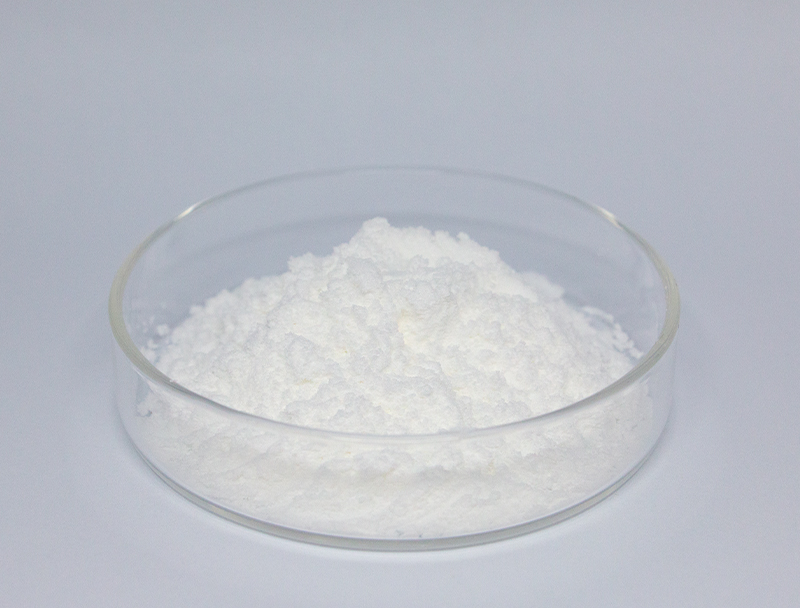
Bioprocessing depends strongly on a comprehensive selection of feedstocks for developing state-of-the-art biosolutions.
Ensuring durable supply chain sourcing forms the foundation of durable, responsible industrial growth.
an array of drawbacks from conventional supply chains like ecosystem disruption and unsustainable harvesting. Therefore, producers should prioritize ethical sourcing models to curtail ecological damage.
- Illustrations of eco-conscious sourcing involve:
- Leveraging biomass from food-processing residues
- Applying zero-waste frameworks to limit waste and optimize resource use
- Connecting with nearby vendors prioritizing responsible supply
Adopting sustainable feedstock strategies yields environmental wins alongside fiscal sustainability.
Optimizing Biomass Feedstocks for Enhanced Biofuel Production
Raising biofuel yields involves refining feedstock structure and content. Researchers repeatedly investigate innovative methods to enhance feedstock potential, facilitating elevated yields and a renewable energy transition. Approaches include genomic enhancements to boost biomass growth and processing methods to convert complex lignocellulose into fermentable sugars.
- Concurrently, efforts examine seaweed, industrial byproducts, and crop residues to increase the variety of renewable feedstock alternatives for fuel production.
- Via sustained research the industry stands ready to accomplish considerable improvements that enable a greener energy transition.

Upstream Process Improvements for Modern Biopharma Production
embraces initial workflow stages from growth to harvesting Ongoing innovations have accelerated process enhancement leading to greater yields.
Key advancements include the utilization of novel cell lines, optimized culture media formulations, and intelligent bioreactor designs. These advances improve throughput while lowering both operational expenses and ecological footprints.
- Additionally, a shift to integrated continuous operations is providing enhanced flexibility and responsiveness in production.
- Embracing sophisticated manufacturing strategies is poised to change industry norms and shorten development cycles.
Genetic Engineering Innovations for Higher Therapeutic Yields
innovations in genome-editing toolsets have enhanced biopharmaceutical manufacturing. By accurate genomic tuning, developers enhance yields of critical biopharmaceuticals. The approach may facilitate scalable, low-cost therapeutic production for numerous diseases.
Biodegradation Strategies Using Targeted Microbial Cultures
innovative solutions for sustainable bioremediation, a critical process for addressing environmental pollution. Selected microbial cultures can remediate contaminants through biodegradation pathways.. Harnessing microbe-based degradation fosters cleanup tactics that minimize environmental disruption and residual waste.. Research teams analyze microbial diversity to find candidates that metabolize heavy metals, break down pesticides, and treat oil-contaminated matrices.. The microbes may be applied within engineered reactors or in situ to catalyze pollutant degradation via biotransformation..
Employing microbial strategies for remediation provides multiple benefits versus traditional techniques. This route is often more affordable and reduces the formation of toxic residues. Concurrently, these solutions provide focused remediation without widespread environmental harm. The domain advances quickly, concentrating on raising reliability and performance of microbial cleanup methods.
Computational Biology in Drug Discovery
Bioinformatics techniques are integral to present-day therapeutic development workflows. From identifying potential drug candidates to optimizing their efficacy and safety, bioinformatics enables a more efficient and data-driven approach.
- Through mining large genomic, proteomic, and clinical repositories, informaticians reveal new targets and forecast drug behaviors.
- Similarly, modeling drug–target interactions streamlines design of compounds with better efficacy and selectivity.
- Finally, bioinformatics is revolutionizing the drug discovery and development process, accelerating the time to bring safe and effective treatments to patients in need.
Engineering Cellular Pathways for Improved Bioproduct Output
utilizes multiple approaches to enhance production of desirable bioproducts in cells. Options include metabolic rerouting via gene edits, expression tuning through regulatory control, and incorporation of foreign enzymes to expand function.. By optimizing cellular networks, developers can substantially boost target bioproduct output.
Such an integrated approach may disrupt diverse fields including therapeutics, crop science, and sustainable fuels.
Scale-Up Challenges and Prospects for Biopharmaceuticals
Moving Calcium Propionate from bench to commercial scale creates complex challenges and valuable opportunities. A primary obstacle is ensuring uniform quality control as volumes rise. Meeting the need calls for dependable control systems, granular monitoring, and cutting-edge analytical methods.
Complexity in multi-step biomanufacturing operations presents ongoing operational challenges.. Adapting protocols for industrial scale requires considerable development work and engineering advances.. Nonetheless, the advantages can be major. Proper scaling can increase therapy supply, reduce expenses, and elevate profitability.
Numerous initiatives aim to tackle these scaling challenges. These include the development of new technologies for process optimization, advanced analytics for real-time monitoring and control, and innovative manufacturing strategies.
- R&D initiatives significantly drive enhancements in manufacturing capacity.
- Regulators are reforming approval systems to facilitate adoption of advanced manufacturing and nurture innovation.
Understanding Regulatory Oversight to Ensure Biopharmaceutical Quality
Producing biopharmaceuticals demands comprehensive oversight to guarantee safety and clinical effectiveness. Living-source therapeutics present distinct obstacles in regulation and production relative to classical drugs.
Regulatory authorities including FDA and EMA are central to creating criteria and processes for approving innovative biologics..
Thorough testing frameworks are compulsory during all stages of development including after market release.. Such safeguards are intended to detect hazards and ensure therapeutics adhere to top-tier safety benchmarks..
Moreover, oversight agencies continually refine approaches to align with accelerating scientific progress in therapeutics.. Actions include accepting new technologies and streamlining development channels while safeguarding patient health.
Plant-Based Biomass Options for Bioplastic Manufacturing
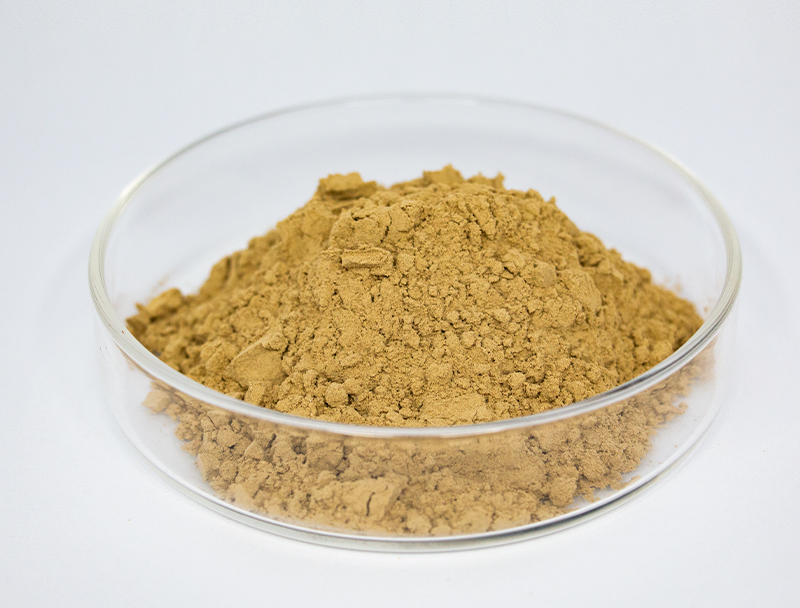
The expanding market for green materials prompts increased R&D into bio-based solutions. Plant-derived biomass as input for bioplastics represents a practical route toward greener materials. Renewable inputs including cornstarch, cellulosic matter, and sugarcane biomass can be processed into biodegradable plastics that minimize long-term pollution.
Additionally, many plant-based bioplastics show performance characteristics similar to conventional plastics for numerous uses.. Sustained research efforts are necessary to optimize plant feedstocks for mass bioplastic production and enable circularity.
This Emerging Impact on Public Health and Food Systems
Advanced biotech approaches can reshape healthcare delivery and enhance agricultural resilience. By harnessing genetic engineering, synthetic biology constructs, and advanced cell therapies, technologists deliver capabilities to reduce disease burden, raise crop outputs, and increase food value. One example is bioengineered crops that withstand pests and stressors, enabling higher yields with less pesticide input.. Additionally, biotech enables faster vaccine development, novel antimicrobials, and precise diagnostics critical to infectious disease control and health improvement.. Going forward, advancements in biotechnology are likely to yield interventions that improve health and advance sustainable food systems globally.
 4-Aminobutyric acid